Lumber businesses play an important role in Vermont’s economy, supplying materials for construction, manufacturing, and other industries. From sawmills and lumberyards to timber processing operations, these businesses depend on expensive equipment, reliable transportation, and consistent access to inventory. However, severe weather, equipment breakdowns, workplace accidents, and liability claims can disrupt daily operations and create unexpected expenses.
Having the right Lumber Insurance can help Vermont business owners prepare for these challenges. A well-designed insurance program considers the unique risks of the lumber industry, including the value of machinery, the hazards of handling timber, and the financial consequences of operational interruptions. At T.S. Peck Insurance, we understand the importance of evaluating business risks and exploring coverage options that align with each company’s needs.
What Risks Do Lumber Businesses in Vermont Face?
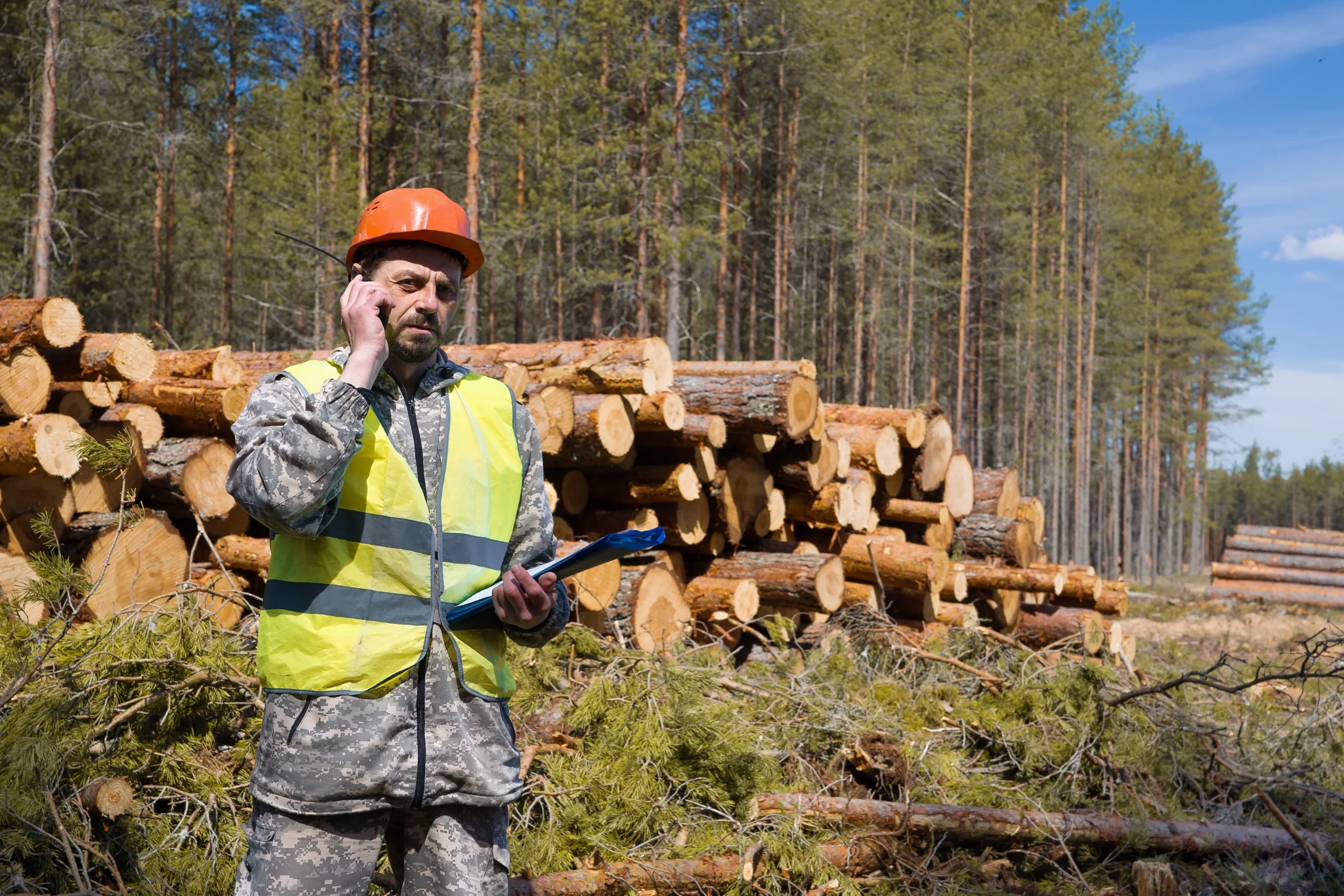
Lumber businesses face a combination of property, operational, and liability risks. Heavy machinery such as saws, forklifts, loaders, and debarking equipment can create workplace hazards, while lumber stored indoors or outdoors may be vulnerable to fire, storms, and other damaging events. Even a relatively small incident can affect inventory, equipment, and production schedules.
Vermont’s seasonal weather adds another layer of uncertainty. Heavy snowfall, freezing temperatures, ice, and strong storms may affect buildings, access roads, outdoor storage areas, and delivery schedules. Businesses that depend on steady timber supplies or transportation networks may also experience delays that affect customers and revenue.
Other concerns include employee injuries, vehicle accidents, property damage involving third parties, and disputes over completed work or delivered materials. Each operation has its own combination of exposures based on its size, services, location, and equipment. Understanding these risks is an important first step toward identifying appropriate Lumber Insurance options.
What Types of Lumber Insurance Should Business Owners Consider?
Lumber Insurance is not necessarily a single policy. Instead, it may involve several types of commercial coverage designed to address different aspects of a lumber business. The right combination depends on whether a company operates a sawmill, manages a lumberyard, processes timber, transports materials, or performs multiple functions.
Business owners may want to explore the following options:
- Commercial Property Insurance: May help address covered damage to buildings, machinery, tools, and inventory, subject to policy terms and exclusions.
- General Liability Insurance: May provide coverage for certain third-party bodily injury or property damage claims.
- Workers’ Compensation Insurance: May help address eligible employee work-related injuries and illnesses in accordance with applicable requirements.
- Commercial Auto Insurance: May address certain vehicle-related risks involving trucks, delivery vehicles, and other business-owned vehicles.
- Equipment Breakdown Coverage: May help with certain losses associated with covered mechanical or electrical breakdowns.
- Business Interruption Insurance: May help replace lost income or address certain continuing expenses following a covered interruption.
Not every business needs every option, and coverage availability varies by insurer. Reviewing these possibilities with an insurance professional can help owners identify potential gaps and determine which policies warrant further consideration.
How Can Property Coverage Help Safeguard Lumber Inventory and Equipment?
Buildings, machinery, and lumber inventory often represent substantial investments. A fire, severe storm, or other covered event could damage storage facilities, processing equipment, or materials waiting to be sold. Replacing these assets may require significant capital, particularly when specialized machinery is involved or lumber prices have changed.
Commercial property coverage may be worth exploring for facilities, office contents, machinery, and eligible inventory. However, lumber businesses should pay close attention to how their policies address outdoor property, materials stored in open yards, equipment away from the premises, and property exposed to particular weather conditions.
Business owners should also review property valuation methods, deductibles, coverage limits, and exclusions. Inventory values can fluctuate with purchasing activity and market prices, so outdated estimates may leave a business with an insurance program that no longer reflects its operations.
T.S. Peck Insurance can help Vermont business owners review their property exposures and discuss available options. The goal is to understand how a policy may respond to different loss scenarios rather than assume every asset or cause of damage is automatically covered.
Why Is Liability Insurance Important for Lumber Operations?
Lumber operations involve heavy equipment, large materials, employees, contractors, delivery drivers, and customers. These interactions can create opportunities for accidents and third-party claims. For example, a visitor could be injured in a lumberyard, a forklift could damage a customer’s property, or a delivery could result in an accident involving another vehicle.
General liability insurance may be relevant when evaluating certain third-party injury and property damage exposures. Depending on the business, owners may also need to consider additional liability options related to products, completed operations, commercial vehicles, or contractual requirements.
The details matter. A policy’s definitions, exclusions, limits, and endorsements determine how particular claims may be handled. Business owners should not assume that one liability policy addresses every risk associated with processing, selling, or transporting lumber.
Establishing safety procedures, maintaining equipment, documenting inspections, and training employees can also support a broader risk management strategy. Insurance and workplace safety practices work together to help businesses prepare for potential financial setbacks.
How Can Lumber Insurance Help Businesses Manage Operational Interruptions?
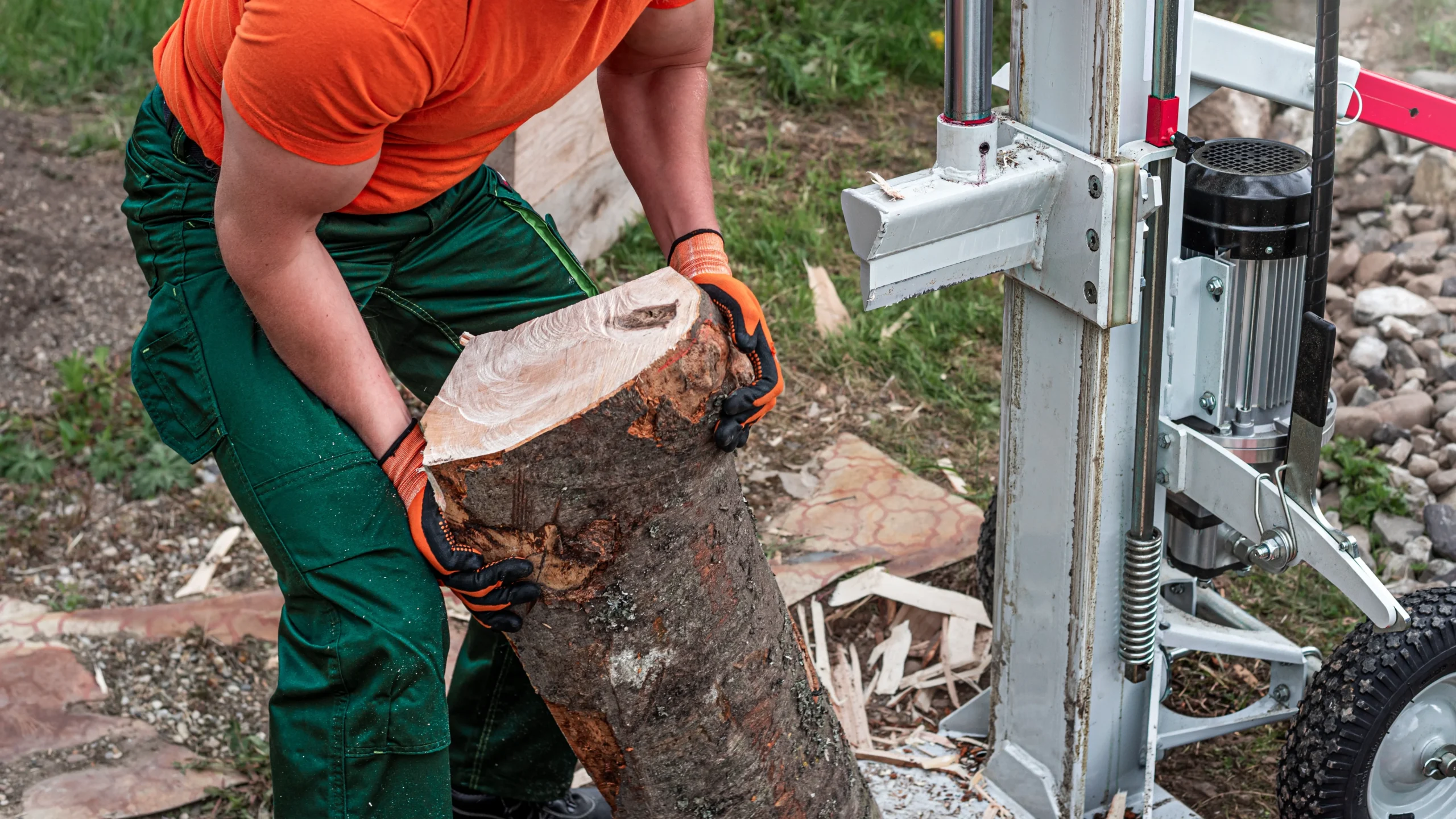
When a critical saw breaks down, a building becomes unusable, or a covered loss damages inventory, a lumber business may struggle to maintain normal production. Delays can affect customer relationships, contractual obligations, payroll, and ongoing expenses such as rent or loan payments.
Business interruption coverage may help with certain lost income and continuing expenses when an interruption results from a covered cause of loss. The policy’s requirements, waiting periods, limits, and restoration period can influence whether and how benefits apply.
Lumber businesses should also consider how dependent they are on individual machines, suppliers, transportation routes, and storage facilities. A backup equipment plan, alternative supplier relationships, preventive maintenance schedule, and emergency communication process may reduce downtime or make recovery more manageable.
Reviewing these operational dependencies can help owners decide whether business interruption coverage or equipment-related options deserve closer attention. Because policy conditions differ, it is important to understand the specific circumstances that trigger coverage before relying on it as part of a recovery plan.
How Should Vermont Lumber Businesses Evaluate Their Insurance Needs?
A useful insurance review begins with a clear picture of the business. Owners should consider the property they own, the equipment they operate, the materials they store, the vehicles they use, and the services they provide. Changes such as expanding a sawmill, purchasing new machinery, adding delivery services, or increasing inventory can introduce exposures that an existing policy may not adequately address.
It can help to prepare an updated list of major assets, estimated replacement costs, annual revenue, payroll, and business activities. Owners should also review contracts with customers, suppliers, and lenders to identify insurance requirements.
When comparing options, consider more than premium cost. Deductibles, coverage limits, exclusions, insurer requirements, and claims procedures can all influence the value of a policy. A knowledgeable insurance professional can help explain these differences and identify questions that deserve attention.
For Vermont lumber businesses, regular reviews are especially useful when operations change with the seasons or weather-related exposures affect storage, transportation, and production. Reviewing coverage annually and after significant business changes can help keep an insurance program aligned with current needs.
Where Can Vermont Lumber Businesses Find Insurance Guidance?
Running a lumber business requires careful attention to equipment, inventory, employee safety, customer expectations, and changing market conditions. Insurance planning is another important part of maintaining financial stability and preparing for unexpected disruptions.
T.S. Peck Insurance works with businesses to evaluate their insurance needs and explore options suited to their operations. Whether you manage a lumberyard, operate a sawmill, or process and distribute timber products, reviewing your risks can help you make more informed decisions about property, liability, equipment, and business interruption coverage.
Contact T.S. Peck Insurance to discuss Lumber Insurance for your Vermont business. A conversation about your operations, assets, and potential exposures can help you identify coverage options to consider and build an insurance strategy that supports your business as it grows.